TILAT M1 Mini Review: Small Size, Serious Option
In our previous post, we opened the box and took a first look at the TILAT M1 Mini. This time, I’m looking at how it feels to handle, what makes it useful for everyday self-care, and where it fits alongside the larger M1 and M1 Max.
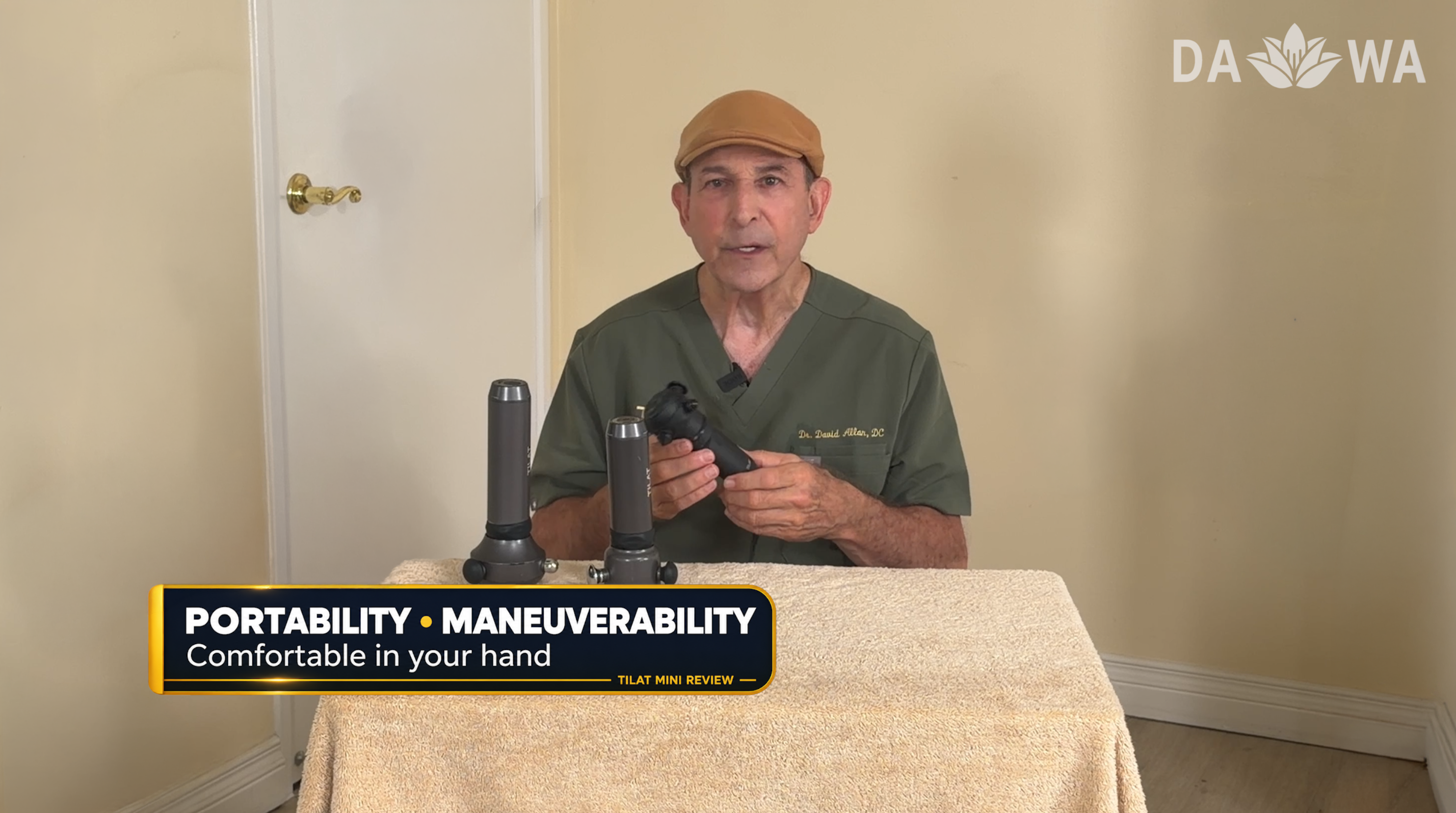
My perspective comes from more than four decades of hands-on work with massage, rehabilitation, movement education, and therapeutic devices, along with my actual use of the TILAT family. What interests me most about the Mini is its combination of portability, maneuverability, and in-hand comfort.
Disclosure: I serve as TILAT’s Chief Rehabilitation Consultant. This review reflects my professional perspective and experience using these devices.
The Mini at a Glance
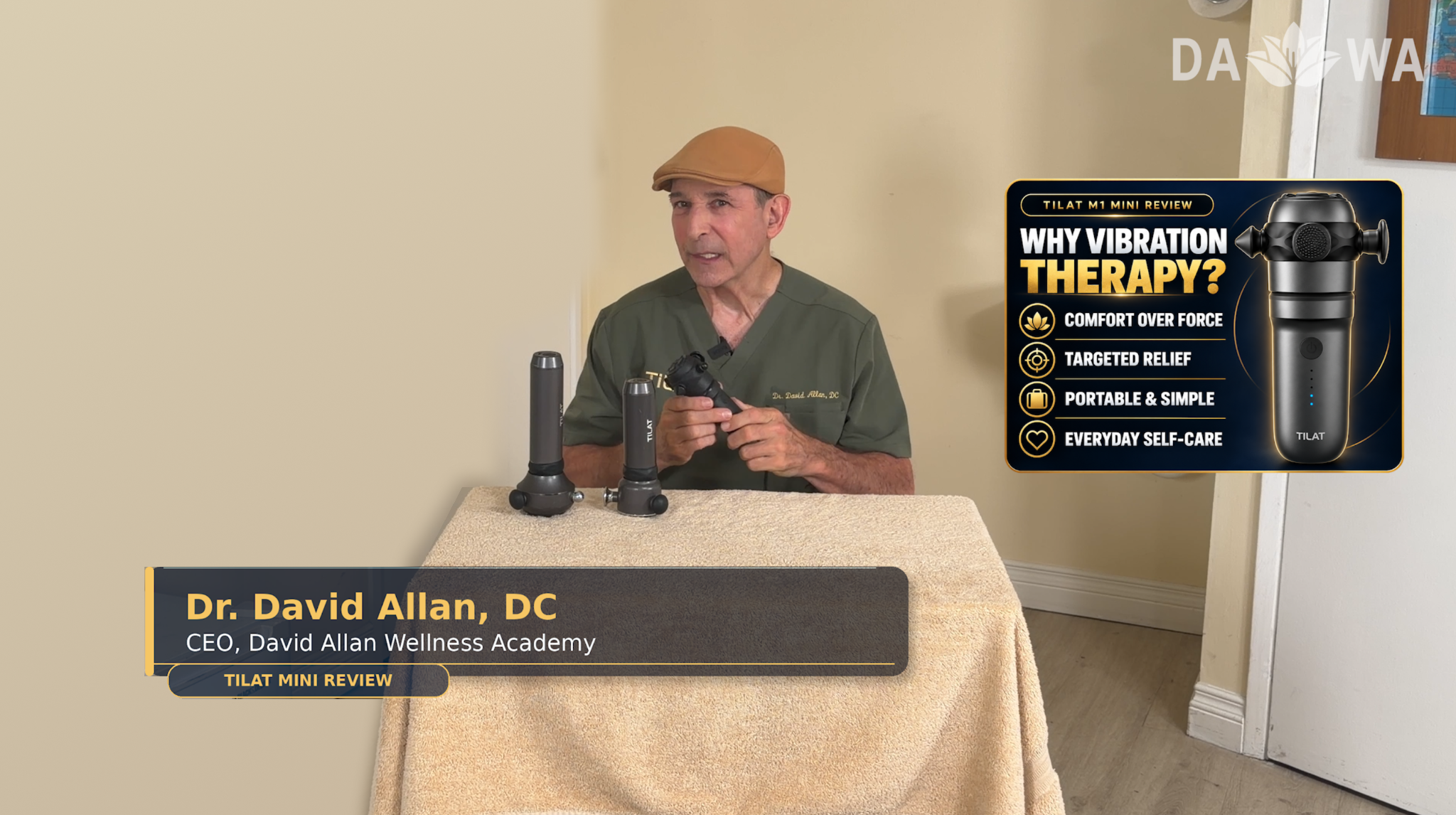
The Mini’s compact design is central to its appeal. At just 0.7 pounds, it is easy to pick up and hold without the wrist-weight feeling a larger device can create.
Feature | M1 Mini specifications presented in the review |
|---|---|
Weight | 0.7 lb |
Speed | 5,000–7,000 RPM |
Amplitude | 1.5 mm |
Timer | 10-minute smart timer |
Battery life | Approximately 1–2 hours |
These are the specifications discussed in the video, rather than results from independent laboratory or battery testing.
A Different Tool for Everyday Self-Care
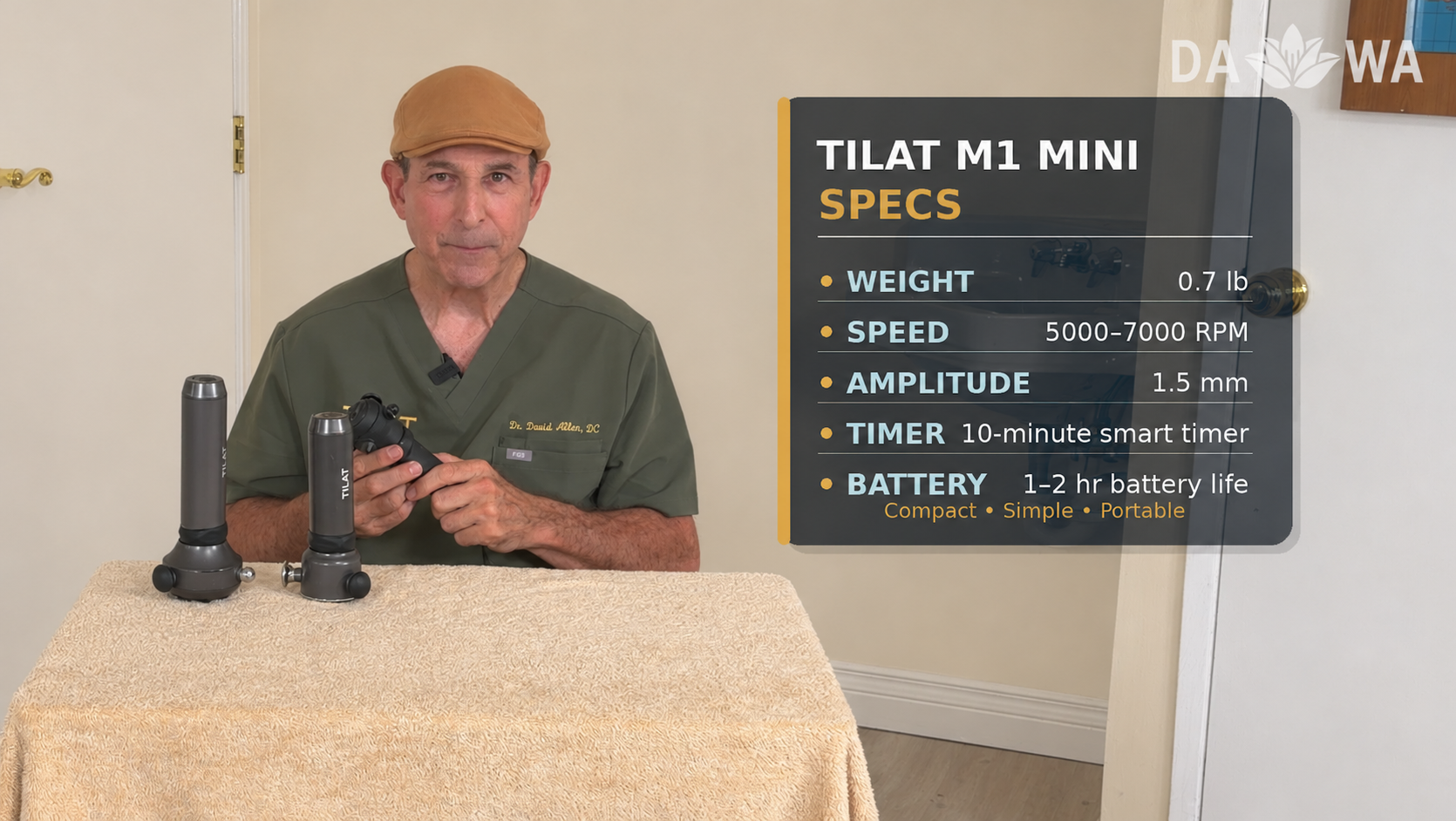
I see the Mini primarily as a self-care device, especially for consumers who want a lightweight tool that is easy to handle and carry.
Its size makes it convenient to keep nearby or take along in a travel or gym bag. For someone who finds a larger device cumbersome, that ease of handling may be an important part of the decision.
The Mini also has less amplitude than the other two models. That difference contributes to a different treatment experience. Choosing between them involves both the device's physical size and the sensation you prefer.
How the Mini Compares with the M1 and M1 Max
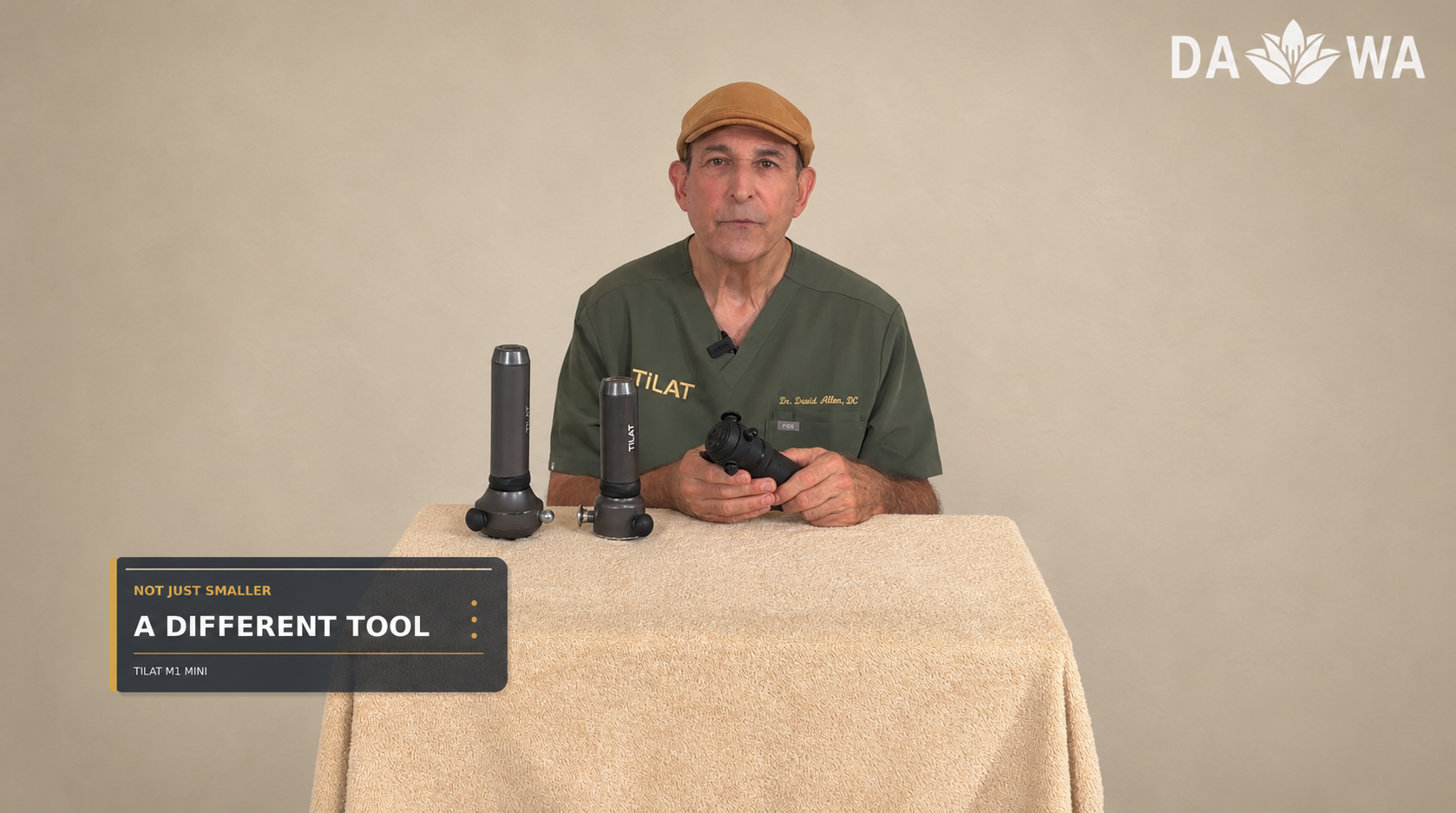
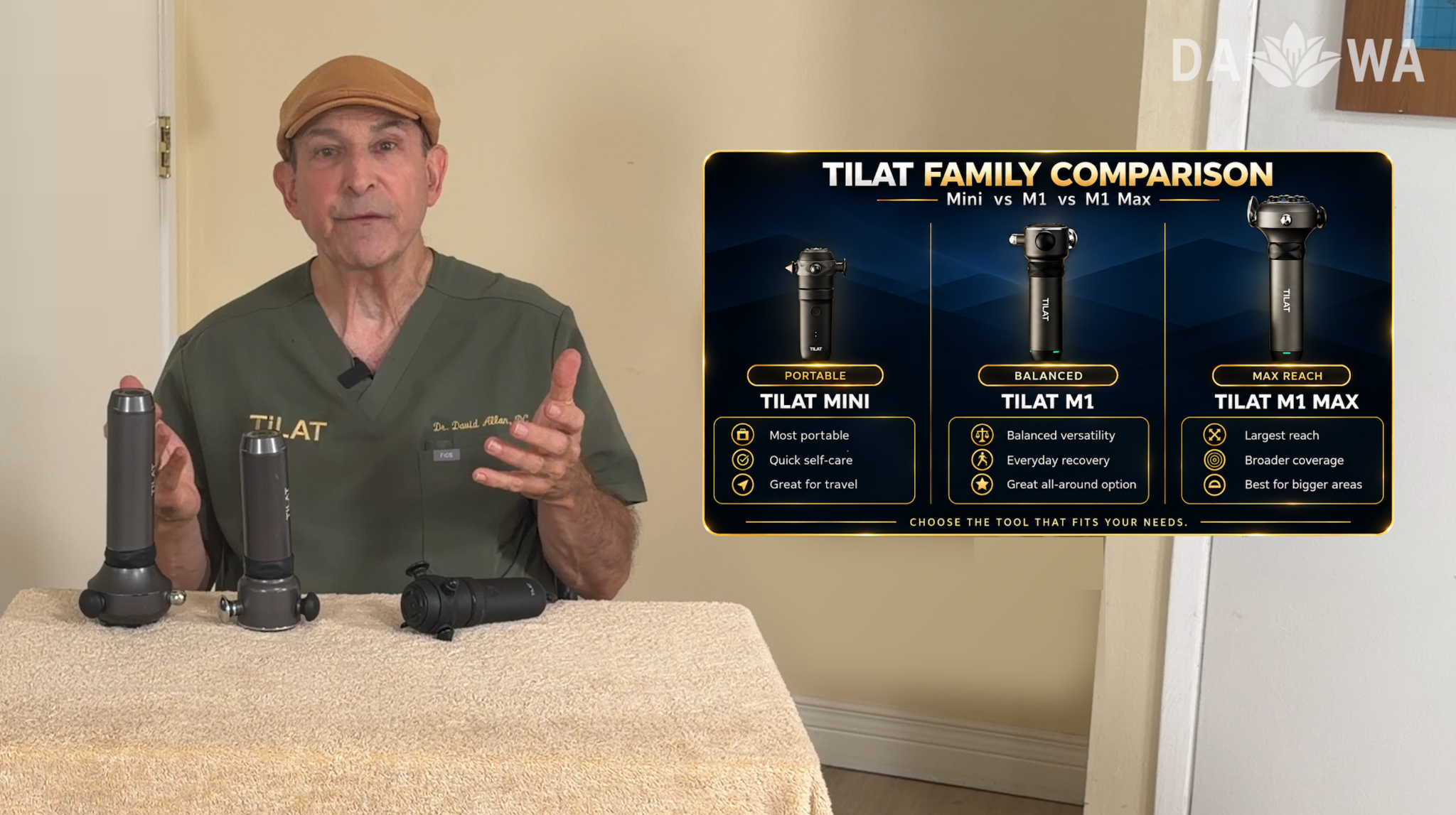
In my review, I describe three options with different strengths. Here is how I think about the choice:
Model | Amplitude discussed | My main reason to choose it |
|---|---|---|
TILAT M1 Mini | 1.5 mm | Portability and ease of handling |
TILAT M1 | About 2.5 mm | More amplitude in an intermediate-size device; includes a pressure sensor |
TILAT M1 Max | Approximately 3.5 mm | The greatest amplitude of these three models |
The Mini does not include the M1’s pressure sensor. Its smaller size and lower amplitude are also worth considering if you are hoping to reproduce the feel of one of the larger models.
These differences give you a useful starting point. More amplitude alone doesn't tell you which device will suit your needs or feel most comfortable.
What Stands Out: Portability and Maneuverability
What immediately attracts me to the Mini is how comfortable it feels in the hand. A compact device can be easier to reposition as you work, and its lighter weight makes it appealing for simple self-care routines.
I also prefer the sensation of vibration over the aggressive hammering I often get with higher-amplitude percussive devices. That preference comes from my work and experience; individual preferences will differ.
The Mini gives me a level of comfort and control that I appreciate when considering smaller areas. That observation should not be taken as permission to use the device directly over joints, the spine, or other sensitive structures. Follow the product manual and appropriate professional guidance for placement.
Choosing the Right Tool for You
Start with the features that matter most to you:
For portability and easy handling: I reach for the M1 Mini.
For more amplitude and a pressure sensor: consider the M1.
For the greatest amplitude in this lineup: consider the M1 Max.
Then consider how comfortably you can hold and position the device, where you intend to use it, and what you want from the experience. The video illustrations summarize my comparison; specific body-area suitability still depends on the manufacturer’s instructions and your circumstances.
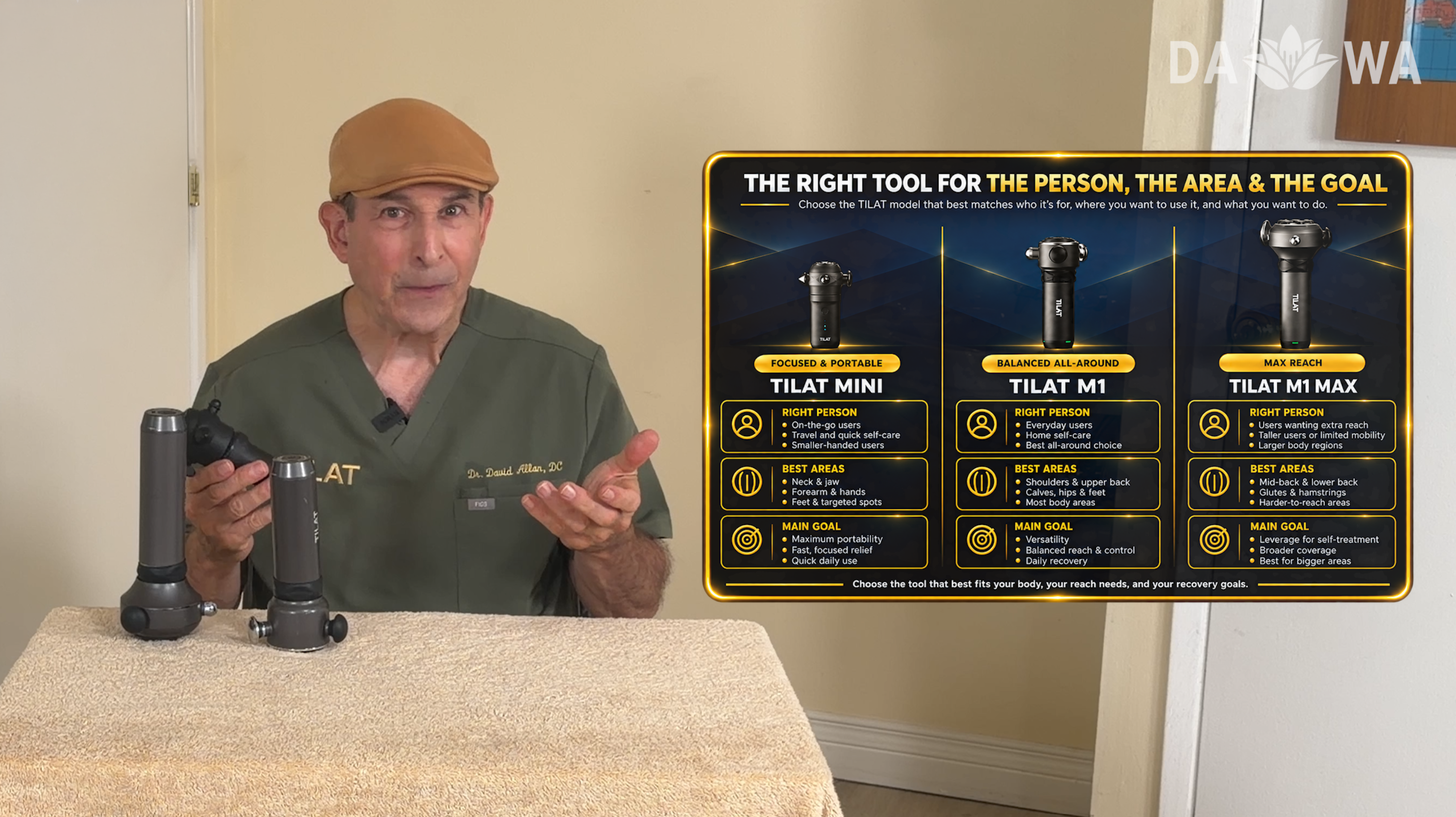
“I’m choosing the right tool for the person, the area, and what I’m trying to accomplish.”
My Final Take
The TILAT M1 Mini gives me an appealing option for everyday self-care: a small, lightweight device that is comfortable to hold and easy to carry.
The trade-offs are clear. It has less amplitude than the M1 and M1 Max, and it lacks the M1’s pressure sensor. For someone whose priorities are portability and maneuverability, however, those differences may be acceptable.
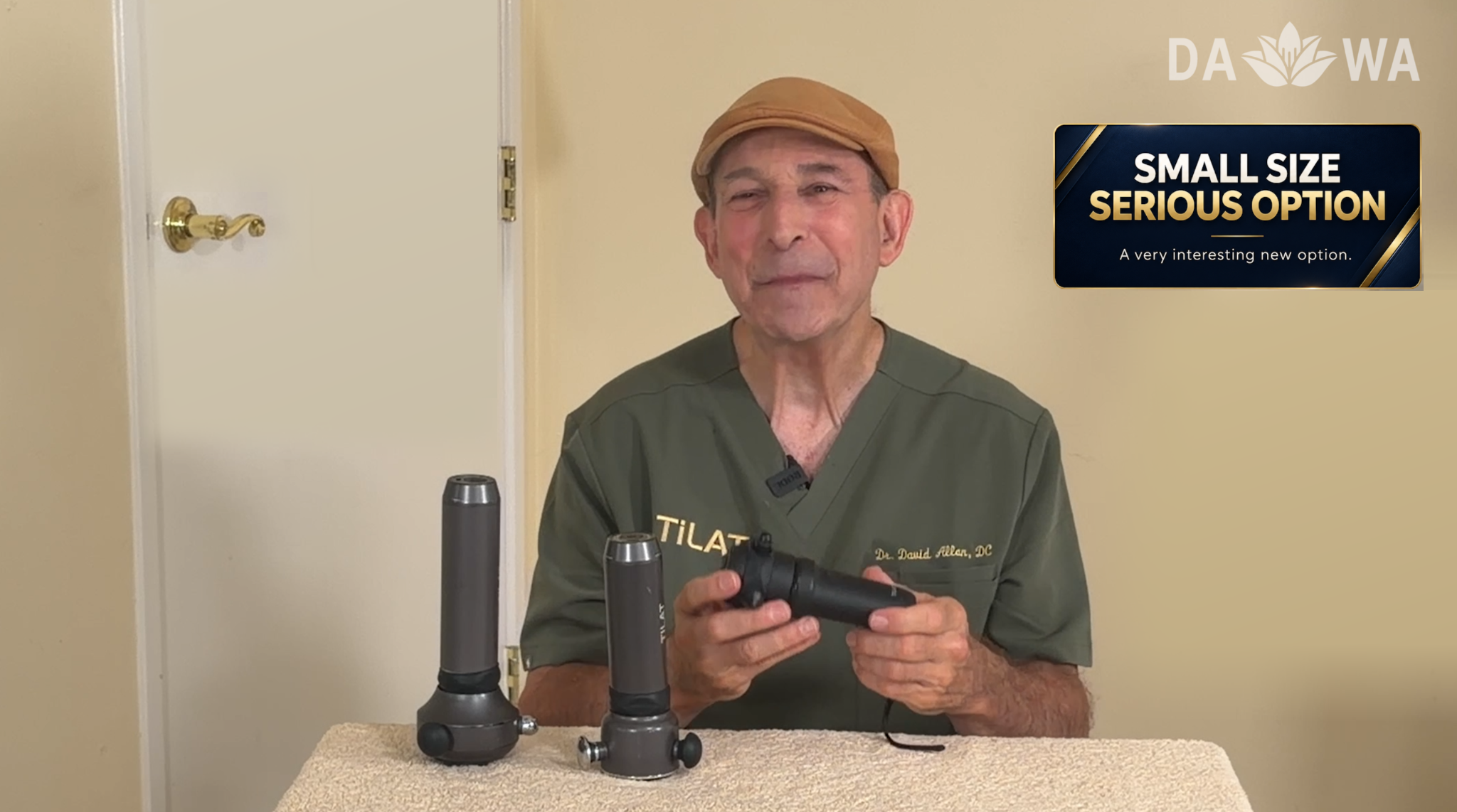
For something this small, the Mini offers a compelling new option.
Continue Learning
For an introduction to the package and controls, revisit our earlier TILAT MINI Unboxing: A First Look at the Latest Device post. Before using your device, review the manufacturer’s instructions and the Welcome and Safety videos in the TILAT Learning Center.
Thank you for joining me. Keep learning, stay curious about what works for your body, and make comfort part of your self-care routine.
Move Better, Recover Smarter.
Disclaimer: This article and video are for general education and wellness information, not individualized medical advice. Follow your product manual and consult a qualified healthcare professional about suitability if you have a medical condition or concerns. Individual experiences vary.


