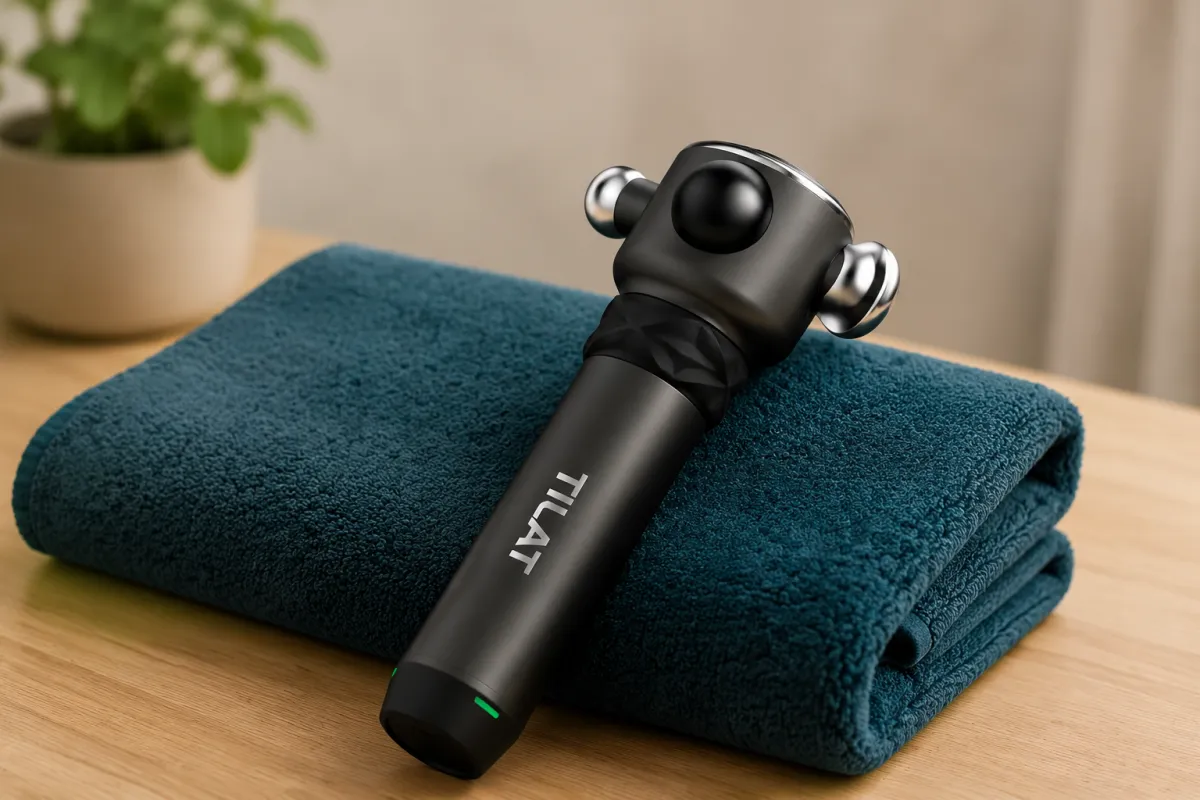
Are You Using Your TILAT Correctly?
Are You Using Your TILAT Correctly? Five Common Mistakes to Avoid
A TILAT device can be a helpful tool for relaxation, recovery, and everyday self-care. However, as with any massage or vibration device, how you use it matters. Small choices involving pressure, placement, timing, and movement can greatly affect your experience.
One common misconception is that greater intensity produces better results. In reality, pressing harder or using the device longer may prevent the body from relaxing and can leave an area feeling irritated or tender.
A better approach is to begin gently, work on comfortable muscle areas, keep the device moving, and notice how your body responds. In this article, we will examine five common mistakes and explain how to replace each one with a safer, more comfortable habit.

Mistake No. 1: Using Too Much Pressure
Many people instinctively press a massage device more firmly when an area feels tight or uncomfortable. That may come from experience with percussion devices, but TILAT works differently.
Remember: This Is Vibration, Not Percussion
TILAT devices are designed to deliver vibration—not to be pushed or driven deeply into the body. Use only enough pressure to keep the selected contact surface comfortably connected to the area. Let the vibration do the work.
Pressing harder will not improve the effect. More importantly, TILAT devices are not designed to withstand excessive downward force. Repeatedly pushing too hard can interfere with the applicator mechanism, cause the device to malfunction, or damage the unit.
On the TILAT M1 and M1 Max, the pressure indicator provides immediate feedback:
Green light: Appropriate operating pressure
Red light: Too much pressure—ease up immediately
You may also be applying too much pressure if you notice:
Tightening or bracing your muscles
Holding your breath
Gripping the device excessively
Sharpness, pain, or irritation
Increased tenderness after use
What to Do Instead
Soften your grip and maintain light, comfortable contact. Slowly guide the device across the area while keeping your breathing relaxed. If the indicator turns red, reduce the pressure until it returns to green.
If lighter pressure does not restore comfort, stop using the device on that area. The TILAT should glide—not be forced.

Green Means Go. Red Means Ease Up.
On the TILAT M1 and M1 Max, a green indicator means you are using an appropriate amount of pressure. If the light turns red, you are pressing too hard.
Mistake No. 2: Holding the Device in One Place Too Long
When an area feels especially tight, it can be tempting to hold the device directly over that spot. However, concentrating the vibration in one place for too long may lead to irritation, numbness, or increased sensitivity.
Instead, guide the device slowly and smoothly across a comfortable muscle area. Think of the movement as a gentle exploration rather than an attempt to force one particular spot to release.
As you move the device:
• Maintain light, comfortable contact
• Use slow, unhurried passes
• Continue breathing naturally
• Notice how the area responds
• Move away if you experience pain, tingling, or numbness
Spending more time on one exact point does not necessarily produce a better result. Gentle movement helps distribute the experience across the muscle and allows you to continually monitor your comfort.
Mistake No. 3: Starting on an Area That Is Too Sensitive
People often begin by placing the device directly over the area that hurts the most. However, that location may be unusually sensitive, irritated, or difficult to evaluate.
For your first experience, begin on a broad, comfortable muscle area that is easy to reach, such as the thigh, calf, or forearm. This allows you to become familiar with the device and understand how your body responds.
An Important Advantage of Vibration
Unlike percussion, TILAT vibration does not repeatedly strike the tissue. Many people find vibration more comfortable, and it allows you to work gently over areas that may not tolerate percussion as well.
You can use your TILAT lightly over bones, joints, and the spine. For example, you may gently pass over the knee joint and even the kneecap using very light pressure. Never force the device into the area—allow the vibration to make gentle contact and do the work.
Avoid using the device directly over:
The front of the neck
Broken, irritated, or bruised skin
Areas with unexplained swelling
Areas with reduced or altered sensation
If an area is painful, unusually sensitive, or difficult to evaluate, do not attempt to push through it. Choose another location and seek appropriate professional guidance when needed. Always follow the instructions provided with your specific TILAT device.

Mistake No. 4: Using the Same Applicator for Every Area
Each TILAT applicator creates a different type of contact. A broader head distributes vibration across larger muscle areas, while the bullet head provides more focused, precise contact.
Using a narrow applicator over bone or highly sensitive tissue may feel sharp or uncomfortable. Choose the applicator according to the size, sensitivity, and location of the area you are addressing.
What to Do Instead
Use broader applicators for larger muscle groups.
Use the bullet head for precise contact on appropriate soft tissue.
Begin with light pressure and a low setting.
Stop or reposition if you experience sharp pain, tingling, or numbness.
The applicator should match the area and your purpose—not simply be whichever head is already selected.
Bonus Tip: Don’t overlook the surface between the applicator heads. It provides the broadest vibrational contact, making it useful when working over larger areas.
Mistake No. 5: Ignoring Your Body’s Feedback
Using your TILAT should be an ongoing conversation with your body—not something you do automatically. More pressure, higher intensity, or a longer session does not always produce a better result.
Pause occasionally and notice how the area feels. Then gently move, stretch, or compare it with the opposite side.
What to Do Instead
Check your comfort and movement before beginning.
Start gently and increase the intensity only when needed.
Pause and reassess the area during your session.
Stop if you experience sharp pain, tingling, numbness, or increased discomfort.
Notice which applicators, settings, and techniques work best for you.
Your body’s response—not the clock or the intensity setting—should guide every session.
Better Results Begin with Better Awareness
Using your TILAT effectively is not about pressing harder or doing more. It is about selecting the appropriate contact surface, moving slowly, and paying attention to how your body responds.
A few thoughtful adjustments can make each session more comfortable, focused, and productive. Continue exploring your TILAT with curiosity—and always respect what your body is telling you.
This article is provided for educational purposes and is not a substitute for professional medical advice. Stop using the device and consult a qualified healthcare professional if you experience pain, numbness, tingling, or other concerning symptoms.


